

Media landscape – our latest round up of media related news
Universal Ads launches in the UK
What’s happened
Universal Ads has officially launched in the UK, allowing advertisers to buy streaming TV inventory across ITV, Sky and Channel 4 through a single self-service platform. It’s designed primarily for SMEs who may have never considered TV advertising before with the aim of making premium TV buying much simpler and more accessible.
Why it matters
It makes complete sense why ITV, Sky and Channel 4 have done this. For years they’ve competed with each other, but the reality is that today they’re competing far more with YouTube, Meta, Amazon, Netflix, Disney and all the rest for advertising budgets. Three traditional rivals deciding to work together feels like a much bigger story than the buying platform itself.
TV has always had relatively high barriers to entry (£££ wise) compared with digital, and anything that makes premium video more accessible should encourage more brands to test the channel.

TikTok launches an ad-free subscription in the UK
What’s happened
TikTok has introduced an ad-free subscription in the UK, giving users the option to remove advertising for £3.99 per month.
Why it matters
This isn’t enormously surprising given the success of this in the US but it’s particularly noteworthy that another platform is testing whether consumers are willing to pay to avoid advertising.
Most digital platforms have spent the last decade relying almost entirely on ad revenue. Increasingly though, they’re experimenting with subscription models alongside advertising, giving users a choice between paying with money or paying with attention.
I’m genuinely interested to see how many people actually sign up. £3.99 doesn’t sound like much, but are people willing to pay for an ad-free TikTok when they’ve happily scrolled through ads for years? Time will tell.
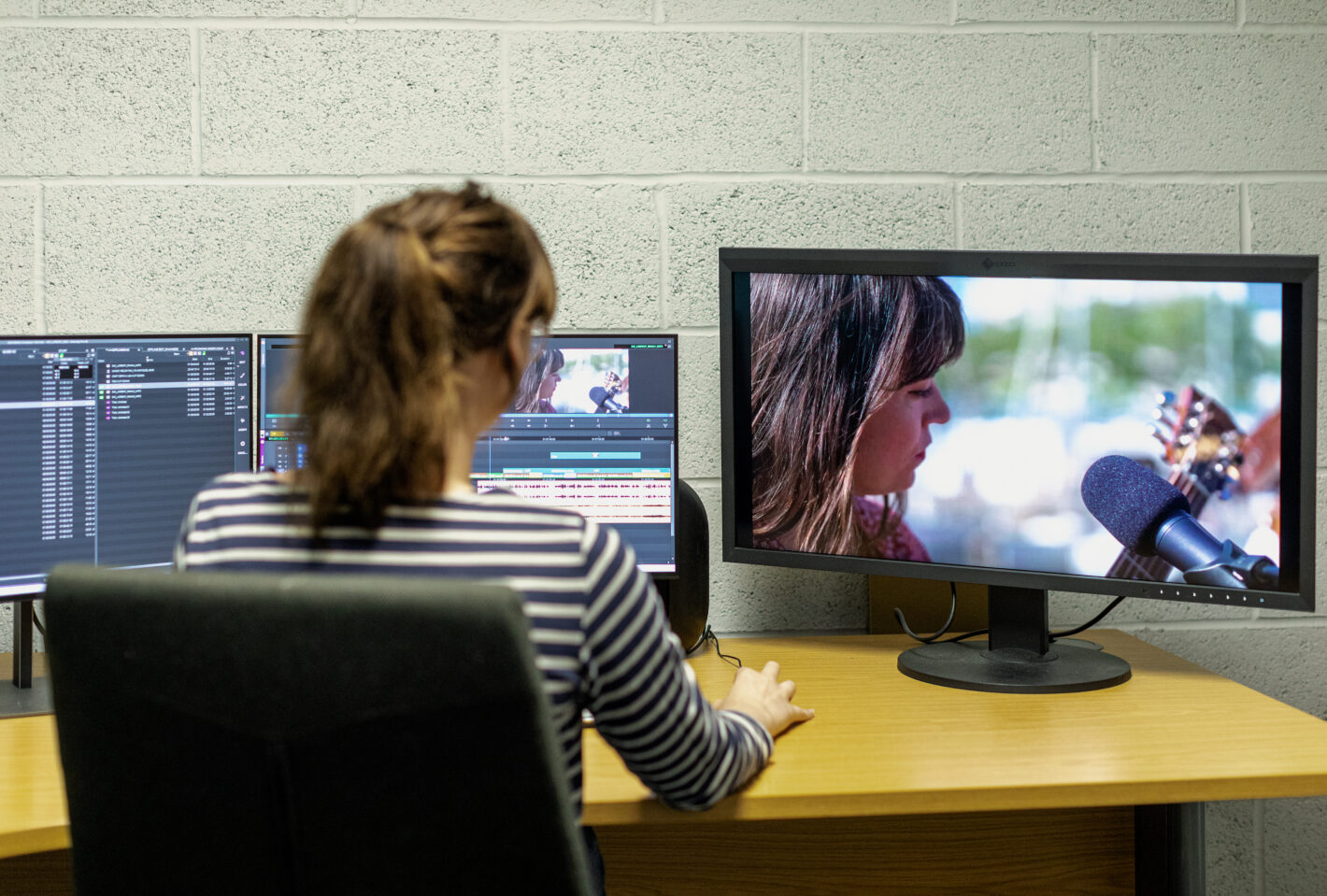
New research explains how we’re watching the World Cup with those time differences
What’s happened
YouGov has published new research looking at how people are consuming this summer’s World Cup, and the results are probably good news for supermarkets. Over half of viewers are watching matches at home with late kick-offs making people even more likely to stay in. Around a quarter plan to prepare food and snacks themselves, compared with just 14% who expect to order takeaway.
Why it matters
We spend a lot of time talking about sporting events from a media perspective, but they’re retail moments just as much as they are viewing moments.
This research is a nice reminder that where people watch has a huge impact on how they spend. If audiences are settling in at home for late kick-offs, that’s potentially a win for supermarkets, drinks brands and snack manufacturers, but perhaps less so for food delivery services than many might have expected.
It’s also a useful lesson for media planning. Cultural moments aren’t just about reaching people while they’re watching, they’re about understanding the behaviours that surround the event too. The best campaigns don’t just know what people are watching, they know what they’re eating, buying and doing alongside it.
Toy Story 5 has a record-breaking UK opening
What’s happened
Toy Story 5 opened at No.1 in the UK box office, taking £14.5m and delivering 1.3 million cinema admissions in just three days. It’s the biggest opening weekend of 2026 so far and has already taken $312m globally, putting it firmly on track to become one of the year’s biggest films.
Why it matters
Toy Story 5 is undeniably something special. Whether its nostalgia, families turning it into a proper day out or simply people escaping to an air-conditioned cinema during the heatwave, audiences have turned up in huge numbers.
Obviously, not every film can (or should) expect these kinds of figures. But it’s another reminder that when studios create genuine event cinema, people are still more than willing to leave the sofa.