

Tafwyl festival – bringing a live event to your TV
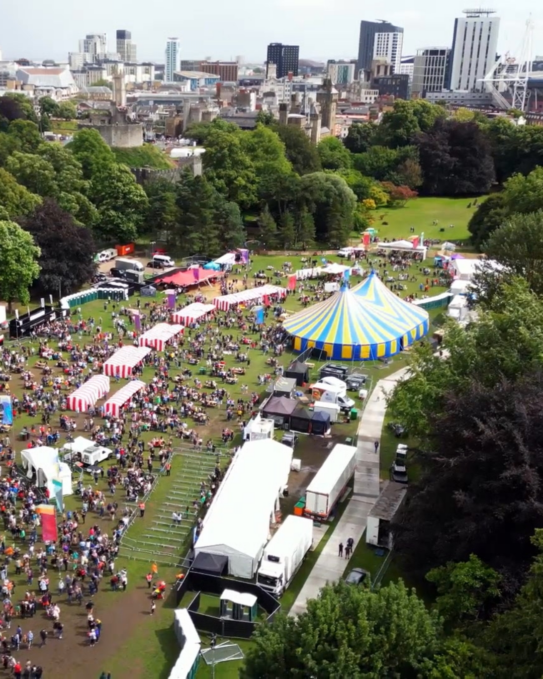
Tafwyl music festival is one of the largest celebrations of Welsh-language music and culture in Wales. But what does it take to broadcast the event on TV across Wales?
Orchard has been working with Menter Caerdydd and S4C for nearly ten years filming the festival for TV broadcast and social media channels.
We spoke to Nia Talfryn Walters, Head of Content at Orchard, to understand what it takes to bring the two-day live event to everyone in Wales.
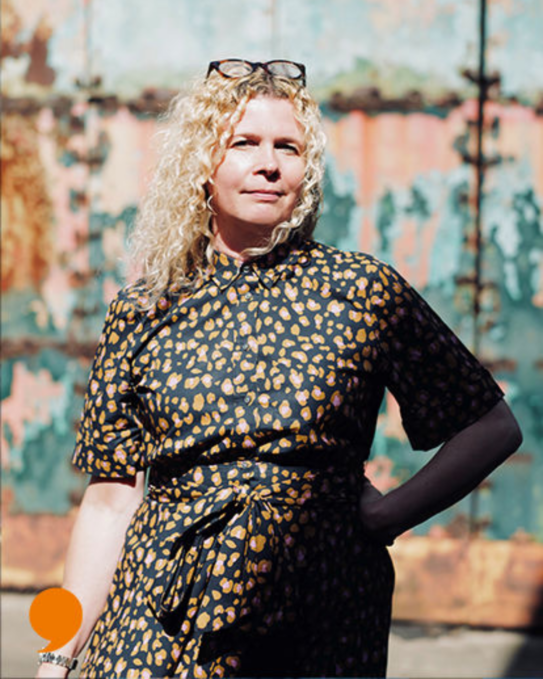
“So, this year, Tafwyl music festival is celebrating its 20th year, so it’s a big deal, particularly in the current climate. It’s great that we’re supporting live music in the city.”
“We’re producing two live programmes for S4C on Saturday and Sunday night, 8 till 10pm. We have a great team of presenters – Huw Stephens (BBC Radio presenter) and music artists Tara Bethan and Lloyd Lewis.”
“The first hour of the programmes will be highlights of the day – so live performances from two of the stages, the main stage and the garden stage, and chats with artists, and then the second hour of each programme will be the headline acts streamed online and live on S4C.”
“On Saturday night it’s the much loved band called Candelas, and then on the Sunday night there’s Tafwyl’s 20th birthday celebration focusing on music in Cardiff – songs inspired by Cardiff or written in Cardiff – it’s a real celebration of the talent and fantastic music that’s come out of the city.”
So what does it take to bring the festival to TV?
“We’ve been planning if for a couple of months and there’ll be 100 people working on it including our team from Orchard.”
“We’ll be featuring performances from the main stage and the garden stage. There’s another performance in the castle on the Friday night before Tafwyl, so we’ll go in at 1am on Saturday morning.”
“We’ll have two outside broadcast units to cover both stages, so there’ll be multiple camera people, sound operators, editors, lighting people, riggers, the live graphics team, a company looking after health and safety, and an artist liaison.”
“We’ve also got a team capturing content all day which we’ll put on YouTube and also Instagram take-overs.”
What are the biggest challenges?
“The scale of it. It’s the logistical challenges really, because we need to get the two scanners up and running because they’re recording the two stages from when they start.”
“Sometimes bands may change their set list. So we have an artist liaison on the day that goes to each band before they perform to double check that their set list hasn’t changed. We’re putting name captions on songs live, so we need it to be accurate.”
“Also, occasionally the stages don’t run to time as well. So there’s the knock-on effects of things like that – bands arriving late if they’ve had to travel far and had to delay a sound check. But it’s a live event and we need to accommodate things not always going to plan.”
“We have multiple crews filming interviews around the festival. They’ve got to get the footage back to the edit quickly, but there’s thousands of people to walk through and then they need to go and film on the stage or another part of the festival. It’s kind of really intense the whole day and evening, really.”


It’s a really complex operation, but what motivates you?
“It’s absolutely massive but we want to make sure that we’re giving artists the best opportunity, we really care about that. We don’t just pick a song and put it out on TV. We listen to it and make sure we think it sounds and looks good. It’s a massive thing for the sound operators. They’re mixing all day from like about 12 o’clock till 10pm on the stages.”
“It’s the same with the bands – playing at the festival to the live audience is the priority. But obviously we want to capture the best content that we can for the programme as well. But we understand that it’s a big deal to be doing this kind of thing, and we appreciate that.”
Tafwyl is organised by Menter Caerdydd and takes place in Cardiff Castle on 20 and 21 June. First held in 2006, it has grown from a community-focused event into a major city festival, attracting thousands of visitors each year. It aims to promote the Welsh language through music, arts and cultural activities.